Your Car Never Left Park, But You Still Got a DUI?
Picture this: You’re sitting in your parked car outside a River North bar, sleeping off a few drinks before heading home. The engine’s running for heat on a cold Chicago night. Suddenly, there’s a knock on your window—it’s the police, and before you know it, you’re facing DUI charges. If you think you can’t get a DUI without actually driving, Illinois law has a surprising reality check for you. In fact, you don’t need to move your vehicle even an inch to face the same serious DUI penalties as someone caught speeding down Lake Shore Drive after drinking.
This situation happens more often than you might think, leaving many people confused and worried about their future. The concept of "actual physical control" means that simply being in the driver’s seat with access to your keys can be enough for a DUI conviction in Illinois, even if you never intended to drive. Understanding this law and your rights becomes crucial when facing charges that could impact your driving privileges, career, and freedom.
💡 Pro Tip: If you’ve been drinking and need to wait in your car, sit in the back seat with your keys in your pocket or trunk. This simple action can significantly strengthen your defense if questioned by police.
Don’t let a simple oversight turn into a lifetime of regret. Facing DUI charges while your car stayed put? Nicolas Law is here to navigate these tricky waters with you. Reach out at (312) 450-2219 or contact us to safeguard your future with sound legal guidance.
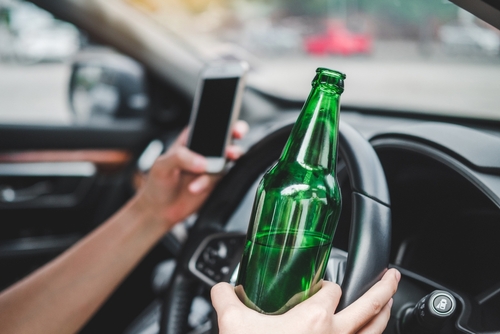
Understanding Illinois’ "Actual Physical Control" DUI Laws
Illinois law doesn’t require you to be driving to get a DUI conviction. The prosecution only needs to prove you were in "actual physical control" of your vehicle while intoxicated. This broader standard aims to prevent drunk driving before it starts, recognizing that someone drunk behind the wheel with keys readily available is just moments away from becoming a danger on the road. When working with a DUI lawyer in Chicago, understanding this distinction becomes your first line of defense.
Courts in Illinois examine several key factors when determining actual physical control. They’ll look at whether your engine was running, where you were positioned in the vehicle, whether the keys were in the ignition, if the car was operable, and where you parked. Unlike some states with clear-cut rules, Illinois judges consider the totality of circumstances in each case. This flexibility can work both for and against you, which is why having experienced legal representation matters.
Your constitutional rights don’t disappear just because you’re in a stationary vehicle. Police still need probable cause to approach your vehicle and investigate. Common reasons include observing you stumbling to your car, receiving reports of erratic behavior, or noticing your vehicle parked illegally or unusually. Understanding these rights helps protect you during any police encounter, whether your car is moving or not.
💡 Pro Tip: Document everything about your situation immediately – where you parked, why you were there, whether you intended to drive, and any witnesses who saw you. These details often make the difference in actual physical control cases.
What Happens After a Stationary Vehicle DUI Arrest
The timeline following a DUI arrest in a parked car moves quickly, and understanding each phase helps you protect your rights. Illinois law triggers immediate consequences that can affect your ability to drive, work, and maintain your normal life. Knowing what to expect at each stage allows you to make informed decisions and take timely action to minimize the impact on your future.
- Immediate arrest and processing: Police will conduct field sobriety tests and request chemical testing, even though your car never moved. You have the right to refuse, but Illinois’ implied consent law means automatic license suspension.
- 46-day window for license hearing: After arrest, you have just 46 days to request a hearing to challenge your license suspension – missing this deadline means automatic suspension regardless of your case outcome.
- First court appearance within 30 days: Your arraignment typically happens within a month, where you’ll enter a plea and receive discovery materials showing the evidence against you.
- Pre-trial motions and negotiations (2-6 months): Your attorney can file motions challenging the stop’s legality and the actual physical control evidence while negotiating with prosecutors who may be willing to reduce charges in stationary vehicle cases.
- Trial or plea resolution: Most DUI cases resolve through negotiated pleas, but stationary vehicle cases often have stronger defense arguments that make trial a viable option.
💡 Pro Tip: Calendar your 46-day license hearing deadline immediately after arrest – this administrative hearing is separate from your criminal case and missing it guarantees license suspension even if you win your DUI case.
How a Chicago DUI Attorney Challenges Stationary Vehicle Arrests
Fighting a DUI charge when your car never moved requires strategic defense approaches that experienced attorneys use regularly. The burden of proof remains on the prosecution to demonstrate actual physical control beyond reasonable doubt. A skilled DUI lawyer in Chicago will examine every detail of your arrest, from the initial police contact through the evidence collection process. Common successful defenses include proving you had no intention to drive, demonstrating you were using the vehicle for shelter rather than transportation, or showing you took affirmative steps to avoid driving like giving your keys to someone else.
Nicolas Law has successfully defended numerous clients facing DUI charges in stationary vehicles throughout Chicago and Illinois. Our approach focuses on challenging both the legal basis for the stop and the evidence of actual physical control. We’ve achieved an 80% success rate in helping clients retain their driving privileges, understanding that each case’s unique circumstances require tailored defense strategies. With flexible payment options starting at just $500, we ensure quality legal representation remains accessible when you need it most.
The prosecution’s case often relies heavily on circumstantial evidence in stationary vehicle DUIs. We scrutinize officer testimony, challenge assumptions about your intentions, and present alternative explanations for your presence in the vehicle. Sometimes negotiating for reduced charges like public intoxication makes more sense than trial, while other cases demand aggressive litigation to protect your record and driving privileges.
💡 Pro Tip: Never admit to police that you drove to your current location or intended to drive later – these statements can establish the "operation" element even if officers never saw your vehicle move.
Critical Factors That Influence Actual Physical Control DUI Cases
Several specific circumstances can dramatically impact whether prosecutors can prove actual physical control in your case. The location of your keys often becomes the most crucial evidence – keys in the ignition suggest readiness to drive, while keys in your pocket or trunk indicate an intent to avoid driving. Similarly, where you’re sitting matters significantly. A DUI lawyer in Chicago will emphasize how being in the passenger or back seat demonstrates lack of control over the vehicle’s operation.
Vehicle Condition and Parking Location Matter
Courts also examine whether your vehicle was operable and where you parked it. A broken-down car on the roadside tells a different story than a functioning vehicle in a bar parking lot. Parking in a legal spot versus blocking traffic or sitting in a drive-through lane affects how judges view your intent and control level. Even details like whether your hazard lights were on can suggest you were avoiding driving rather than preparing to drive. These nuances often determine case outcomes.
💡 Pro Tip: If you must wait in your car after drinking, park legally in a safe location, turn off the engine, and place your keys somewhere inaccessible like the glove compartment or under a floor mat – visible keys in your lap or center console suggest immediate access.
The Real Cost of a DUI Conviction Without Driving
A DUI conviction carries the same penalties whether your car moved or stayed parked, making these charges particularly frustrating for those who thought they were being responsible. In Illinois, even first-time offenders face license suspension, mandatory alcohol education, hefty fines, and possible jail time. According to recent alcohol-impaired driving in Illinois statistics, the state sees approximately 330 alcohol-related crash deaths annually, which explains why prosecutors and judges take all DUI cases seriously, including those involving stationary vehicles. Understanding these potential consequences helps you appreciate why mounting a strong defense matters.
Long-term Impact on Your Life and Career
Beyond immediate penalties, a DUI conviction creates lasting problems. Insurance rates typically triple for several years, costing thousands in additional premiums. Many employers conduct background checks that reveal DUI convictions, potentially affecting job prospects or current employment, especially for positions requiring driving or professional licenses. Some professional licenses face suspension or revocation after DUI convictions. The social stigma and personal stress of having a criminal record affects relationships and mental health long after court proceedings end.
💡 Pro Tip: Request court supervision if eligible – this disposition allows you to avoid a formal conviction if you complete probation successfully, though it’s only available once in your lifetime for DUI cases.
Common Police Tactics and Your Rights During Stationary Vehicle Stops
Understanding how police approach stationary vehicle DUI investigations helps protect your rights during these encounters. Officers often patrol parking lots near bars and restaurants late at night, looking for people sleeping in cars or appearing intoxicated near vehicles. They might claim they’re conducting a "wellness check" to see if you’re okay, but this often serves as a pretext to investigate possible DUI. Knowing your rights during these interactions can prevent you from inadvertently providing evidence against yourself.
What You Should and Shouldn’t Say to Police
When officers approach your stationary vehicle, you’re required to provide identification if asked, but you’re not obligated to answer questions about drinking, where you’ve been, or your plans. Politely declining to answer questions isn’t an admission of guilt – it’s exercising your constitutional rights. Officers might pressure you by suggesting cooperation will help your situation, but any statements about drinking, even admitting to "just a couple beers," provides evidence for prosecution. Implementing strong DUI defenses starts the moment police make contact, not after arrest.
💡 Pro Tip: Use clear, respectful language like "I prefer not to answer questions without an attorney present" rather than remaining completely silent, which officers might interpret as uncooperative behavior affecting their arrest decision.
Frequently Asked Questions
Common Legal Concerns About Stationary Vehicle DUIs
Many people facing DUI charges in parked cars share similar concerns and misconceptions about their situation. Understanding the reality of these cases helps you make informed decisions about your defense.
💡 Pro Tip: Write down your questions before meeting with an attorney – the stress of criminal charges often makes people forget important concerns during consultations.
Next Steps and Legal Process Questions
Knowing what to expect in the legal process reduces anxiety and helps you prepare effectively for each stage of your case.
💡 Pro Tip: Start gathering evidence immediately – text messages showing you planned not to drive, receipts showing timeline, or witness contacts become harder to collect as time passes.
1. Can I really get a DUI in Illinois if I was sleeping in my car with the engine off?
Yes, you can face DUI charges even with the engine off if prosecutors can establish actual physical control. However, a turned-off engine is favorable evidence for your defense. Courts will examine all circumstances, including where your keys were located, your position in the vehicle, and your stated intentions. Each factor affects the strength of the prosecution’s case.
2. What’s the difference between a moving violation DUI and an actual physical control DUI in Illinois?
Legally, there’s no difference in potential penalties – both carry identical consequences including license suspension, fines, and possible jail time. The main difference lies in the prosecution’s burden of proof and available defenses. Stationary vehicle cases often provide stronger defense opportunities since proving intent to drive is harder than proving actual driving occurred.
3. Should I refuse a breathalyzer test if I’m arrested for DUI in a parked car?
This decision carries significant consequences either way. Refusing results in automatic license suspension for one year (first refusal) but eliminates key evidence. Taking the test and failing provides prosecutors with strong evidence but may result in shorter license suspension if convicted. An experienced attorney can help evaluate which choice makes sense based on your specific circumstances and prior record.
4. How much does it typically cost to fight a stationary vehicle DUI in Chicago?
Legal fees vary based on case complexity and attorney experience. At Nicolas Law, we understand financial concerns during stressful times and accept deposits as low as $500 to begin representation. Beyond attorney fees, consider court costs, alcohol evaluation fees, and increased insurance rates. Investing in quality defense often saves money long-term by avoiding conviction consequences.
5. What should I do immediately after being arrested for DUI in a parked car?
First, calendar the 46-day deadline to request a license hearing. Next, document everything you remember about the incident while details remain fresh. Collect potential evidence like parking receipts, text messages, or witness information. Avoid discussing your case on social media or with anyone except your attorney. Contact an experienced DUI lawyer in Chicago quickly to preserve your rights and begin building your defense strategy.
Work with a Trusted DUI Lawyer
Facing DUI charges when your car never moved feels particularly unfair, but Illinois law takes these cases as seriously as any other DUI. The complex nature of actual physical control laws requires thorough understanding of both legal precedent and effective defense strategies. Working with an attorney who regularly handles stationary vehicle DUI cases provides the experience necessary to identify weaknesses in the prosecution’s case and present compelling alternatives to conviction. Your choice of legal representation often determines whether you’ll face the full weight of DUI penalties or successfully defend against charges that could derail your future.
Don’t find yourself in a legal pickle! If you’ve been hit with a DUI charge while your car never budged, Nicolas Law is ready to give you a hand. Dial (312) 450-2219 or contact us to steer your case in the right direction.