Facing BAIID Requirements After a DUI in Illinois? Here’s What You Need to Know
If you’ve recently been convicted of a DUI in Illinois, you’re likely dealing with the requirement to install a Breath Alcohol Ignition Interlock Device (BAIID) in your vehicle. One of the most pressing questions many drivers face is whether their device needs real-time reporting capabilities. The answer is yes – Illinois law requires BAIID providers to furnish all monitoring reports within seven days of inspection, creating what amounts to a real-time reporting system that tracks every attempt to start your vehicle. This requirement ensures that the court, DMV, and probation departments stay informed about any violations or attempts to drive after consuming alcohol.
Understanding these reporting requirements is crucial for maintaining compliance and avoiding additional penalties. The real-time nature of BAIID monitoring means that every breath test, every failed attempt, and every successful start is recorded and transmitted to authorities. For drivers in the Chicago area dealing with these requirements, knowing exactly what your device reports and when can make the difference between successfully completing your program and facing extended restrictions.
💡 Pro Tip: Keep a personal log of all your BAIID tests, including dates, times, and any issues encountered. This documentation can be invaluable if discrepancies arise in the official reports.
If you’re navigating the maze of BAIID requirements in Illinois, let Nicolas Law lend a helping hand. With the intricacies of real-time reporting, having professional support can make all the difference. Don’t wait—reach out at (312) 450-2219 or contact us today!
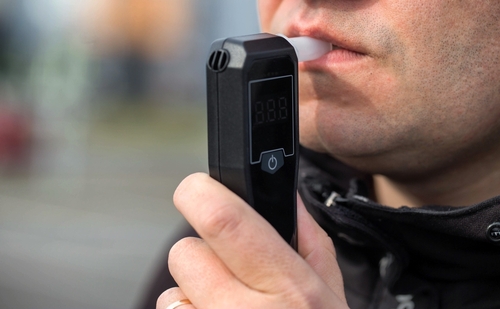
Understanding Your Rights with BAIID Real-Time Monitoring
Illinois law establishes specific requirements for ignition interlock devices for DUI convictions, including the real-time reporting features that monitor your compliance. When you’re required to install a BAIID, you maintain certain rights regarding how the device operates and how your data is collected. The device must be installed by a company authorized by state law, and these providers must adhere to strict guidelines about data collection and reporting. Working with a DUI lawyer in Chicago can help ensure your rights are protected throughout this process, especially if you believe there are errors in your device’s reports or if you’re facing additional violations based on BAIID data.
The real-time reporting system serves multiple purposes beyond simple monitoring. It notifies the court, DMV, or probation department whenever a driver attempts to operate their vehicle after consuming alcohol, but it also creates a comprehensive record of your compliance. This data can work in your favor by demonstrating consistent responsible behavior, or it can trigger additional consequences if violations are detected. Understanding that every interaction with your BAIID creates a permanent record emphasizes the importance of following all program requirements carefully.
Your rights also extend to understanding the costs associated with BAIID installation and monitoring. When IIDs are required, you’re typically responsible for installation fees, removal costs, and monthly monitoring charges. However, Illinois has established an Indigent BAIID Fund, funded by a 5% surcharge on all BAIID gross revenue, to help those who cannot afford these costs. A knowledgeable DUI lawyer in Chicago can help you navigate these financial aspects and determine if you qualify for assistance programs.
💡 Pro Tip: Request detailed reports from your BAIID provider monthly to ensure accuracy and catch any potential issues before they escalate into legal problems.
The BAIID Installation and Reporting Timeline in Illinois
Time is critical when dealing with BAIID requirements in Illinois. Once you receive a Monitoring Device Driving Permit (MDDP), you have just 14 days to have an ignition interlock device installed in your vehicle. This tight timeline means you need to act quickly to find an authorized provider and schedule installation. The provider must then notify the Secretary of State about the installation, initiating the real-time monitoring process that will track your compliance throughout your restricted driving period.
- Day 1-14: Install BAIID device after MDDP issuance – missing this deadline can result in extended suspension
- Within 7 days of each inspection: Provider must submit all monitoring reports to the Secretary of State
- Monthly: Pay monitoring fees (not to exceed $30 per month for MDDP administration)
- Every 60-90 days: Required calibration and data download appointments
- For BMO (BAIID Multiple Offenders): 5-year monitoring period with strict compliance requirements
- End of program: Schedule removal only after receiving official clearance from authorities
The real-time reporting aspect means that BAIID providers are required to transmit your device data regularly, creating an ongoing record of your compliance. This system has evolved significantly from earlier versions that only checked data during periodic inspections. Now, with modern technology, many devices can transmit data wirelessly, ensuring authorities receive updates about violations or tampering attempts almost immediately.
💡 Pro Tip: Set calendar reminders for all BAIID appointments and deadlines – missing a calibration appointment can be considered a violation and may extend your monitoring period.
How a DUI Lawyer in Chicago Can Help Navigate BAIID Compliance
Successfully completing your BAIID program requires more than just avoiding alcohol before driving. The real-time reporting requirements create numerous opportunities for technical violations that can extend your monitoring period or result in additional penalties. Nicolas Law has an 80% success rate in helping clients get their licenses back, understanding the intricate details of Illinois BAIID requirements and how to address common compliance issues. Whether you’re facing false positive readings, equipment malfunctions, or reporting discrepancies, having experienced legal representation can make the difference in resolving these issues favorably.
The complexity of BAIID real-time reporting systems means that even minor technical issues can appear as violations in official records. For instance, certain foods, medications, or even mouthwash can trigger false positive readings that get reported to authorities. When working with a DUI lawyer in Chicago who understands these devices, you gain an advocate who can challenge questionable readings and ensure that technical glitches don’t derail your progress toward license reinstatement. Nicolas Law accepts deposits as low as $500, making quality legal representation accessible when you need it most.
Beyond handling violations and technical issues, experienced legal counsel can help you understand your options for early removal or modifications to your BAIID requirements. Illinois law provides several pathways for eligible drivers to reduce their monitoring periods or obtain limited driving privileges, but navigating these options requires thorough knowledge of current statutes and administrative procedures.
💡 Pro Tip: Document any unusual circumstances that might affect your BAIID readings, such as medical conditions or prescribed medications, and inform both your attorney and BAIID provider immediately.
Common BAIID Violations and How Real-Time Reporting Affects Your Case
Real-time reporting transforms every interaction with your BAIID into a potential legal event. Understanding common violations and how they’re reported can help you avoid extending your monitoring period. The most obvious violation is attempting to start your vehicle with a breath alcohol concentration (BrAC) above the preset level of 0.025. However, the system also flags missed rolling retests, tampering attempts, and even having someone else blow into the device for you. Each of these violations is captured and transmitted through the real-time reporting system.
Technical Violations vs. Alcohol Violations
Not all BAIID violations involve alcohol consumption. Technical violations can include missed service appointments, disconnected devices, or attempts to start the vehicle without providing a breath sample. While these might seem minor compared to alcohol violations, they’re treated seriously by Illinois courts and can result in extended monitoring periods. The real-time reporting ensures that authorities know about these violations quickly, often before you even realize there’s a problem. Working with a DUI lawyer in Chicago becomes essential when facing technical violations, as they can often demonstrate that these issues weren’t intentional attempts to circumvent the system.
💡 Pro Tip: Always wait 15-20 minutes after eating, drinking (non-alcoholic beverages), or using mouthwash before taking a BAIID test to avoid false positive readings from residual mouth alcohol.
Financial Aspects of BAIID Programs with Real-Time Monitoring
The cost of BAIID compliance extends beyond the initial installation fee. Real-time reporting capabilities require sophisticated technology that increases both equipment and monitoring costs. In Illinois, drivers typically face installation fees ranging from $75-150, monthly monitoring fees up to $30 for the MDDP administration alone, plus additional service provider fees that can range from $60-100 per month. Over the course of a typical monitoring period, these costs can add up to thousands of dollars.
Understanding the Indigent BAIID Fund
Recognizing that BAIID costs can be prohibitive for some drivers, Illinois established the Indigent BAIID Fund. This fund receives 5% of all gross revenue from BAIID providers, including monthly monitoring fees. Qualifying individuals may receive assistance with their BAIID costs, making compliance possible even for those facing financial hardship. The Secretary of State reviews this fund annually and makes reimbursements to providers every three months. Understanding these financial assistance options is crucial, and a DUI lawyer in Chicago can help determine your eligibility and assist with the application process.
💡 Pro Tip: Keep all receipts and documentation related to your BAIID expenses – these costs may be relevant for tax purposes or if you need to demonstrate financial hardship for assistance programs.
Frequently Asked Questions
Understanding BAIID Real-Time Reporting Requirements
Many Illinois drivers have questions about how BAIID real-time reporting works and what it means for their daily driving. These devices have evolved from simple breath-testing equipment to sophisticated monitoring systems that create comprehensive records of your compliance.
💡 Pro Tip: Write down your questions before meeting with your BAIID provider or attorney – this ensures you get all the information you need about your specific situation.
Next Steps After BAIID Installation
Once your device is installed, understanding the real-time reporting process helps you maintain compliance and work toward license reinstatement. The system continuously monitors your interactions with the vehicle, creating data that can either support or complicate your case.
💡 Pro Tip: Download and regularly check any mobile apps provided by your BAIID company – many now offer real-time access to your compliance data and upcoming appointment reminders.
1. How quickly does BAIID data get reported to Illinois authorities?
BAIID providers in Illinois must furnish all monitoring reports within 7 days of inspection. However, many modern devices with wireless capabilities can transmit violation data almost immediately. This means that authorities may know about a failed test or violation within hours or days, not weeks.
2. Can foods or medications cause false positives on my BAIID device?
Yes, certain foods, medications, and hygiene products can trigger false positive readings. Common culprits include vanilla extract, certain breads, energy drinks, mouthwash, and some medications. Always rinse with water and wait 15-20 minutes after consuming anything before taking a test.
3. What happens if my BAIID device malfunctions?
Document the malfunction immediately with photos or videos if possible. Contact your BAIID provider right away and request a service appointment. Keep all documentation of the issue. If the malfunction leads to a violation report, this evidence will be crucial for your defense.
4. How long will I need to have a BAIID device with real-time reporting?
The duration depends on your specific case. First-time offenders may face shorter periods, while BAIID Multiple Offenders (BMO) must drive with the device for 5 years. Your monitoring period can be extended for violations, which is why understanding real-time reporting is so important.
5. Can I drive someone else’s car without a BAIID device installed?
No, if you’re required to have a BAIID, you can only drive vehicles equipped with the device. Driving without one violates your restricted driving permit conditions and can result in additional charges. Real-time reporting ensures compliance across all vehicles you’re authorized to drive.
Work with a Trusted DUI Lawyer
Navigating Illinois BAIID requirements and real-time reporting systems requires thorough understanding of both the technology and the law. Whether you’re just beginning the BAIID process or facing violations detected through real-time monitoring, having experienced legal guidance can significantly impact your outcome. The complexities of these systems, combined with the serious consequences of violations, make professional legal assistance valuable for protecting your driving privileges and moving forward with your life.
When it comes to navigating the BAIID landscape in Illinois, Nicolas Law is here to guide you through every twist and turn. Don’t get bogged down by the details—reach out at (312) 450-2219 or contact us to ensure you’re on the right track.