Understanding Your Right to Evidence: Critical Information from a DUI Lawyer in Chicago
Facing DUI charges can feel overwhelming, especially when you don’t know what evidence the prosecution has against you. The good news is that Illinois law requires prosecutors to share their evidence with your defense attorney before trial through a process called discovery. This requirement exists because the prosecutor’s duty is to obtain justice rather than simply securing a conviction. Understanding what evidence must be disclosed and how to use it effectively can make the difference between a conviction and a favorable outcome. Whether you were stopped on Lake Shore Drive or anywhere else in Illinois, knowing your rights to evidence disclosure is the first step in building a strong defense.
💡 Pro Tip: Start documenting everything you remember about your arrest immediately – the timeline, weather conditions, and exact words used by officers can become crucial when reviewing the prosecution’s evidence.
Feeling overwhelmed by your DUI charges? Don’t face this alone—turn the prosecution’s evidence into your defense with Nicolas Law. Reach out today at (312) 450-2219 or contact us to safeguard your rights and explore all your legal options.
Illinois Discovery Laws: What the Prosecution Must Reveal
Under Illinois law, the prosecution must provide your DUI lawyer in Chicago with all evidence they plan to use in presenting their case. This includes police reports, breathalyzer results, witness statements, and any other materials relevant to your case. More importantly, prosecutors are also required to provide exculpatory evidence – any information that could support your defense or cast doubt on your guilt. This broad discovery requirement ensures fairness in the legal process and prevents prosecutors from hiding evidence that might help your case.
The discovery process typically reveals crucial evidence such as dashcam footage, body camera recordings, field sobriety test results, and breathalyzer maintenance records. For instance, if the breathalyzer used in your arrest had been serviced three days before due to sensor drift but wasn’t properly recalibrated, this information must be disclosed and could significantly impact your case. Working with an experienced DUI lawyer in Chicago ensures that all required evidence is obtained and thoroughly examined for potential defenses.
💡 Pro Tip: Ask your attorney to request breathalyzer calibration and maintenance logs – equipment malfunctions are more common than you might think and can invalidate test results.
The Discovery Timeline: When Evidence Must Be Shared
Understanding when evidence must be disclosed helps you and your DUI lawyer in Chicago prepare an effective defense strategy. Illinois law requires that the prosecution disclose all evidence to the defense prior to trial, but the specific timing can vary based on your case circumstances and court scheduling. The discovery process typically unfolds in stages, with initial disclosures happening shortly after arraignment.
- Initial disclosure of police reports and arrest documents within 7-14 days of arraignment
- Chemical test results and laboratory reports typically provided within 30-45 days
- Video evidence from squad cars and body cameras must be preserved and disclosed promptly
- Witness lists and statements are usually provided at least 30 days before trial
- Expert witness reports and testimony summaries must be disclosed well in advance of trial
- Any newly discovered evidence must be disclosed immediately, even during trial
💡 Pro Tip: Request discovery materials in writing through your attorney – this creates a paper trail that can protect your rights if evidence is disclosed late or incompletely.
Turning Discovery Into Defense: How Nicolas Law Maximizes Your Advantage
At Nicolas Law, we understand that receiving discovery materials is just the beginning. Our team meticulously reviews every piece of evidence, looking for inconsistencies, procedural errors, and constitutional violations that could lead to dismissal or acquittal. With an 80% success rate in helping clients get their licenses back, we know how to transform the prosecution’s evidence into powerful defense strategies. We make quality representation accessible with deposits as low as $500, ensuring that financial constraints don’t prevent you from getting the defense you deserve.
Our approach involves analyzing police reports for contradictions, reviewing video evidence frame by frame, and examining whether officers followed proper protocols during field sobriety tests. According to Illinois DUI law, codified in 625 ILCS 5/11-501, specific procedures must be followed during DUI arrests. When these procedures aren’t followed correctly, evidence can be suppressed, potentially leading to reduced charges or case dismissal.
💡 Pro Tip: Don’t assume the prosecution’s evidence is ironclad – experienced attorneys often find flaws that can change the entire trajectory of your case.
Critical Evidence Categories: What Your Attorney Should Request
A thorough DUI lawyer in Chicago will request comprehensive discovery that goes beyond basic police reports. Understanding the full scope of available evidence helps ensure nothing is overlooked. The prosecution must provide all evidence that could impact your case, including materials they might not initially consider relevant.
Chemical Testing Documentation
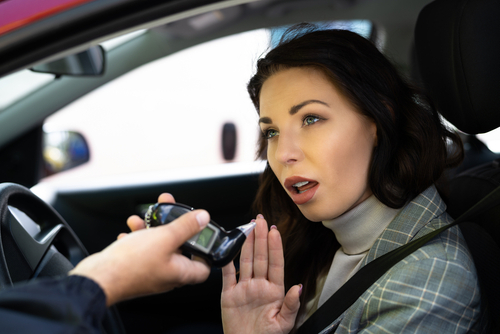
Breathalyzer results are often considered definitive proof of intoxication, but the machines require regular maintenance and proper operation. Your attorney should request calibration logs, maintenance records, and operator certifications. In Illinois, a person is legally considered under the influence if they have a blood-alcohol content (BAC) of 0.08% or more, have used any illegal substance, or are impaired by medication. However, faulty equipment or improper testing procedures can invalidate these results entirely.
💡 Pro Tip: Request records showing when the breathalyzer operator last received training – outdated certifications can lead to test results being thrown out.
Field Sobriety Test Evidence and Officer Training Records
Illinois law enforcement officers are required to follow specific protocols and receive proper training for administering field sobriety tests in DUI cases. The Illinois State Police SFST Refresher Course Manual outlines standardized procedures that must be followed. When requesting discovery, your DUI lawyer in Chicago should obtain the arresting officer’s training records, certifications, and any disciplinary history related to DUI arrests.
Video Evidence and Body Camera Footage
Modern technology has made video evidence increasingly important in DUI cases. Squad car dashcams and officer body cameras often capture the entire interaction, from the initial stop through field sobriety tests and arrest. This footage can reveal whether officers had reasonable suspicion for the stop, if field sobriety tests were administered correctly, and whether your constitutional rights were respected throughout the process. Sometimes, video evidence contradicts officer testimony, providing powerful ammunition for your defense.
💡 Pro Tip: Review video evidence with your attorney multiple times – small details like uneven pavement during field sobriety tests or background conversations can impact your case.
Frequently Asked Questions
Common Discovery Concerns in DUI Cases
Many clients worry about what evidence exists against them and whether the prosecution might withhold damaging information. Understanding your rights to discovery helps alleviate these concerns and ensures you’re fully informed about your case.
💡 Pro Tip: Create a list of specific questions about evidence before meeting with your attorney – this ensures all your concerns are addressed during consultations.
Next Steps After Receiving Discovery Materials
Once discovery is received, your attorney will analyze the evidence and develop defense strategies. This process often reveals opportunities for challenging the prosecution’s case that weren’t apparent at first glance.
💡 Pro Tip: Be patient during the discovery review process – thorough analysis takes time but often uncovers case-changing details.
1. What happens if the prosecution fails to provide required discovery materials?
If prosecutors fail to provide required evidence, your attorney can file a motion to compel discovery. Courts take discovery violations seriously and may impose sanctions ranging from excluding the withheld evidence to dismissing charges entirely. Document all discovery requests and keep copies of correspondence to protect your rights.
2. Can I review the discovery materials myself, or must I go through my DUI lawyer in Chicago?
You have the right to review all discovery materials, but it’s best to do so with your attorney present. They can explain technical aspects, identify legal significance you might miss, and ensure you understand how each piece of evidence impacts your defense strategy.
3. How long does the prosecution have to provide discovery in Illinois DUI cases?
While Illinois law requires disclosure before trial, specific deadlines vary by jurisdiction and judge. Generally, initial discovery should be provided within weeks of arraignment, with ongoing obligations to disclose new evidence as it becomes available. Your attorney will know local court rules and ensure compliance.
4. What types of exculpatory evidence might help my DUI case?
Exculpatory evidence includes anything that suggests innocence or creates reasonable doubt, such as witness statements contradicting officer observations, medical conditions affecting field sobriety performance, video showing proper driving before the stop, or evidence of equipment malfunctions. The prosecution must disclose all such evidence regardless of whether they plan to use it.
5. Should I be concerned if the prosecution has substantial evidence against me?
Even strong-looking cases often have weaknesses. Experienced attorneys know how to challenge evidence admissibility, identify procedural errors, and negotiate favorable outcomes. Remember, the prosecution must prove guilt beyond reasonable doubt – a high standard that quality legal representation can effectively challenge.
Work with a Trusted DUI Lawyer
Understanding discovery rights is crucial, but having an attorney who knows how to leverage this evidence makes all the difference. The right legal representation transforms mandatory disclosures into strategic advantages, identifying weaknesses in the prosecution’s case and building strong defenses. Whether challenging breathalyzer accuracy, questioning field sobriety test administration, or negotiating reduced charges, experienced counsel ensures your rights are protected throughout the legal process.
Facing a DUI charge? Don’t navigate the legal maze alone. Connect with Nicolas Law to transform evidence into a strategic defense. Call us at (312) 450-2219 or contact us today for guidance on your legal journey.